Silicone adhesive is a key supporting material for construction, glazing, wall panel installation and interior decoration. For importers and contractors, choosing the right silicone is not only about price; it also affects bonding strength, weather resistance, movement capability, curing performance and long-term appearance.
This article is a general buying guide for global buyers. Greencity provides a dedicated Silicone adhesive product page, and many wall panel projects may also use silicone together with PVC marble sheet, Indoor WPC Wall Panels or Outdoor WPC wall panels.
What Is Silicone Adhesive?
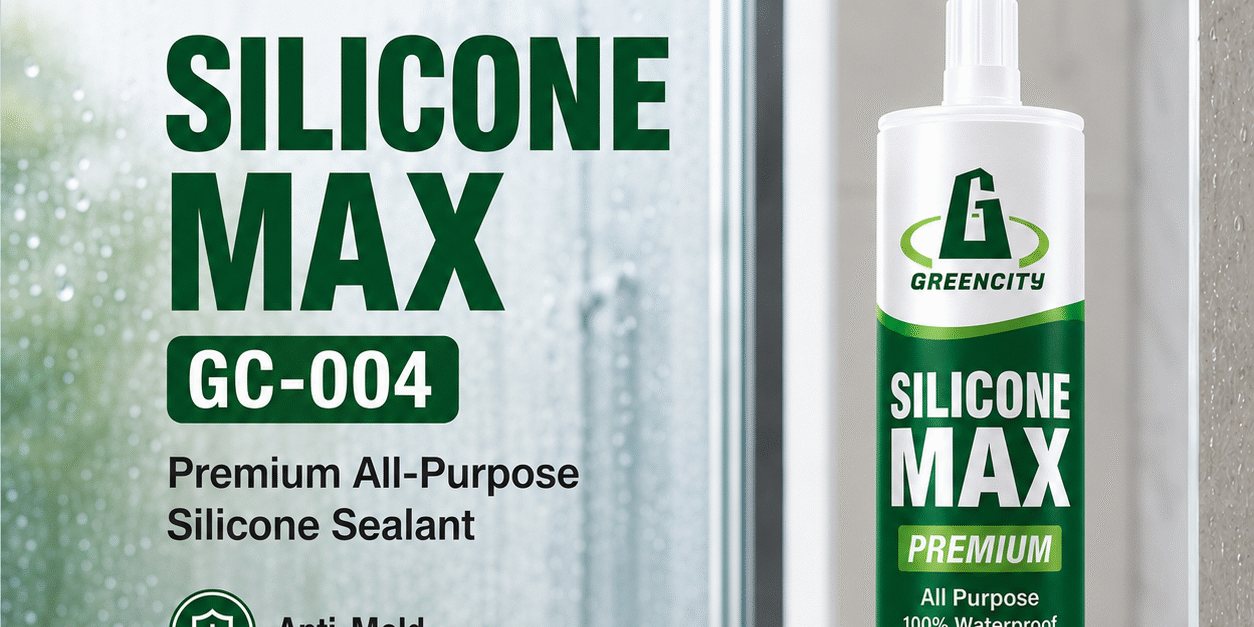
Silicone adhesive is an elastic sealant and bonding material used to seal joints, bond surfaces and protect gaps from moisture, air leakage and movement. Unlike rigid glue, silicone remains flexible after curing, which helps it absorb movement between different building materials.
On Greencity’s Silicone adhesive page, the product information includes common colors, shelf life, skin-over time, movement capability, service temperature range and applications for construction materials. These details are important because different projects require different grades.
Where Silicone Adhesive Is Used
Common applications include glass bonding, aluminum door and window sealing, bathroom and kitchen joints, ceramic tile seams, stone joints, mirror installation, wall panel installation, curtain wall maintenance and general construction sealing.
For interior decoration, silicone may be used around PVC marble sheets, WPC wall panel edges, countertop joints and trim transitions. For outdoor façades, a weatherproof silicone or construction-grade sealant should be selected according to the substrate and movement requirement.
Neutral Cure vs Acetoxy Cure
Neutral cure silicone is generally preferred for construction, coated metals, stone and sensitive substrates because it is non-corrosive and has lower odor. Acetoxy cure silicone is often more economical and cures quickly, but it can react with certain metals or alkaline materials.
For building material importers, this distinction matters. A wrong cure type may cause corrosion, staining or weak adhesion. Buyers should always match silicone chemistry with the substrate, especially for aluminum, stone, coated metals and glass systems.
Performance Points Buyers Should Check
Important technical points include skin-over time, full curing speed, tensile strength, elongation, movement capability, service temperature, water resistance, adhesion range, color options and shelf life. For professional projects, buyers should request a technical data sheet and test compatibility with local materials.
Color is also important for decoration. Clear, white, black, grey and bronze are common options, but exact availability should be confirmed for each order.
Using Silicone with Greencity Interior Materials
Silicone adhesive can support finishing and edge sealing in projects using Indoor WPC Wall Panels, PVC marble sheet, PS wall panel and decorative accessories. It should not replace the main mechanical fixing system when the panel system requires clips, battens or fasteners.
In wall panel projects, adhesive selection should consider substrate flatness, panel weight, temperature, humidity and expected movement. Contractors should follow installation guidance instead of relying on one sealant for every use.
Buying Tips for Importers
Before placing a container or mixed order, importers should confirm cartridge size, carton quantity, colors, neutral or acetoxy chemistry, shelf life, label design, storage requirements and sample testing. For OEM or private-label needs, buyers can contact Greencity to discuss packaging and specifications.
For long-term cooperation, reviewing Greencity’s company profile and related product pages can help buyers understand the wider wall panel and decoration material supply chain.
FAQ
Q1: What is silicone adhesive used for?
It is used for sealing, bonding, gap filling and moisture protection in construction, glazing, bathrooms, kitchens and wall panel installation.
Q2: Should I choose neutral cure or acetoxy silicone?
Neutral cure is better for sensitive substrates such as stone and many metals. Acetoxy silicone is more common for basic glass and ceramic applications but must be checked for compatibility.
Q3: Can silicone adhesive install wall panels alone?
It can support bonding and finishing, but some wall panel systems also require clips, battens, nails or other mechanical fixing methods.
Q4: How should silicone adhesive be stored?
Keep it in original unopened packaging in a cool, dry place and follow the supplier’s shelf-life guidance.
Q5: Where can buyers check Greencity silicone?
Buyers can review the Silicone adhesive page or contact Greencity for specifications.
Suggested Image ALT Texts
- Silicone adhesive cartridge for building projects
- Neutral cure silicone sealant for aluminum and glass
- Silicone adhesive used for wall panel installation
- Construction silicone sealant for bathroom and kitchen joints
- Bulk silicone adhesive packaging for importers