Meta Description:
Explore PU stone, its benefits, applications, and installation. Discover why PU stone is a durable, versatile, and sustainable choice for contemporary interior and exterior design.
Introduction to PU Stone
PU stone, also known as polyurethane stone, is a modern composite material designed to mimic natural stone aesthetics while offering superior durability, flexibility, and lightweight properties. Combining polyurethane resin with natural mineral aggregates, PU stone provides a high-strength, low-maintenance surface suitable for both interior and exterior applications.
Unlike traditional stone, PU stone is easy to fabricate, install, and shape into custom designs, making it ideal for countertops, wall panels, flooring, and decorative architectural elements. Its growing popularity in residential, commercial, and hospitality projects is driven by its versatility, cost efficiency, and sustainability.
Composition and Manufacturing of PU Stone
Materials Used
PU stone is made from:
- Polyurethane Resin: Acts as a strong, flexible binding agent.
- Mineral Aggregates: Natural minerals such as quartz, marble chips, or limestone give PU stone its texture and color.
- Additives: UV stabilizers, pigments, and fire retardants enhance durability, appearance, and safety.
Manufacturing Process
- Mixing: Mineral aggregates are blended with polyurethane resin and additives.
- Molding and Casting: The mixture is poured into molds or cast directly onto surfaces.
- Curing: Material is cured at controlled temperatures to achieve maximum strength.
- Finishing: Sanding, polishing, or coating ensures a smooth, natural stone-like appearance.
Environmental Considerations
PU stone is eco-friendly, often incorporating recycled minerals and resins. Its lightweight nature reduces transportation emissions, and production typically consumes less energy than traditional stone fabrication.
Applications of PU Stone
Interior Applications
- Countertops and Kitchen Islands: Provides a stone-like finish without heavy weight or complex installation.
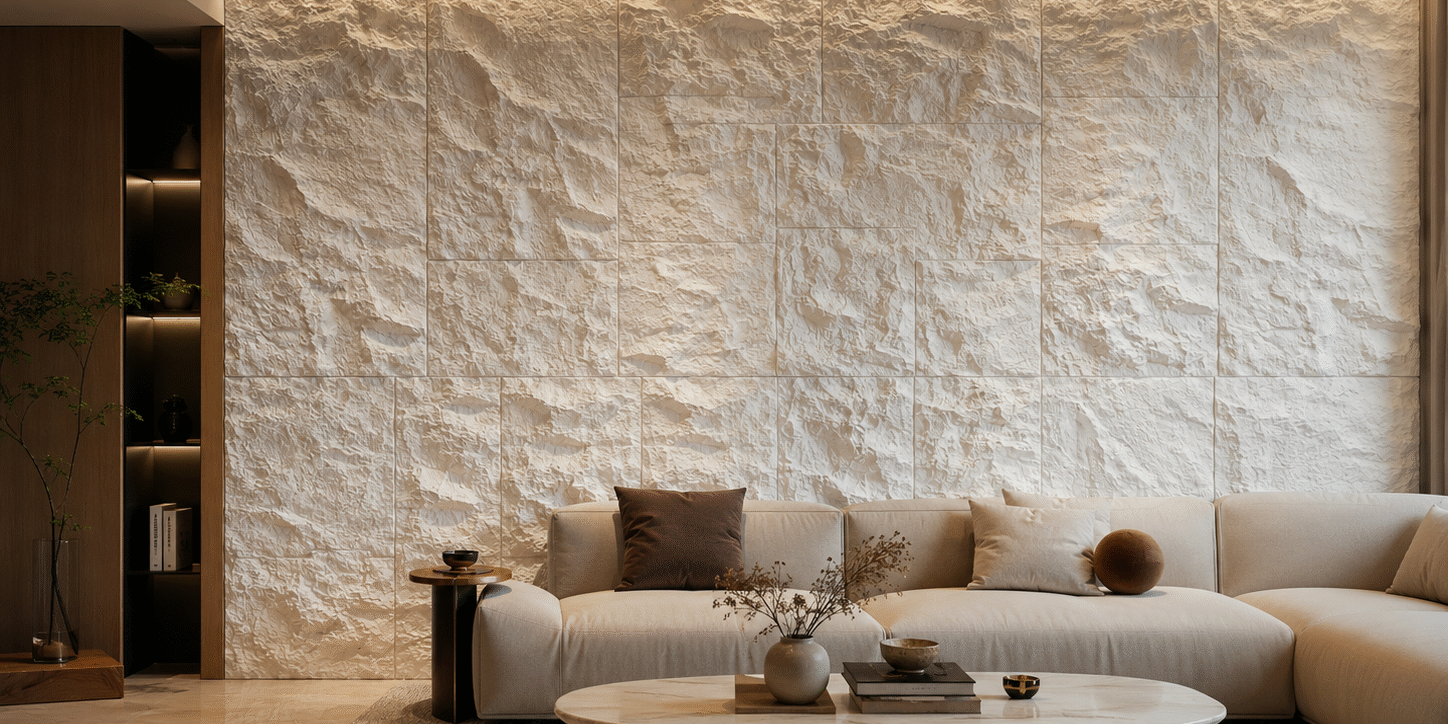
- Wall Panels and Cladding: Ideal for feature walls, fireplaces, and bathroom surfaces.
- Flooring: Durable and low-maintenance alternative to natural stone in high-traffic areas.
Exterior Applications
- Facade Cladding: Resistant to weather, UV exposure, and pollutants.
- Landscape Features: Suitable for decorative walls, benches, and fountains.
- Balconies and Terraces: Lightweight yet durable, perfect for outdoor design.
Benefits of PU Stone
Durability
PU stone is strong, impact-resistant, and can withstand daily wear and tear without cracking or chipping.
Lightweight and Easy to Install
Compared to natural stone, PU stone is significantly lighter, reducing structural load and simplifying installation.
Water and UV Resistance
PU stone resists moisture penetration, UV degradation, and color fading, making it suitable for both indoor and outdoor use.
Customizable Designs
PU stone can be cast into various shapes, sizes, and finishes. Colors, patterns, and textures can be tailored to match specific design requirements.
Cost-Effective
Lower production and installation costs compared to natural stone make PU stone an economical choice without compromising aesthetics.
Design and Aesthetic Options
PU stone offers extensive design flexibility:
- Stone-Look Finishes: Mimics marble, granite, or travertine patterns.
- Smooth or Textured Surfaces: From polished glossy surfaces to natural stone textures.
- Custom Shapes: Columns, decorative panels, countertops, and architectural elements.
- Color Variations: Wide palette including natural neutrals, earthy tones, and contemporary shades.
These options make PU stone ideal for modern, minimalistic, and luxury designs.
Installation Techniques
Surface Preparation
- Ensure substrate is clean, dry, and level.
- For outdoor installation, check structural integrity and drainage.
Tools Required
- Adhesives suitable for PU stone
- Trowels, clamps, sanding tools, measuring tape
Step-by-Step Installation
- Cut or mold PU stone to desired dimensions.
- Apply adhesive evenly and position panels or slabs.
- Press and align properly, leaving minimal gaps.
- Finish edges with sealant or polish for a refined appearance.
Professional installation ensures maximum durability and aesthetic appeal.
Maintenance and Care
- Clean regularly with a damp cloth and mild detergent.
- Avoid abrasive cleaners to protect the surface finish.
- Inspect for cracks or chips and repair promptly to maintain longevity.
PU stone is highly low-maintenance compared to traditional stone surfaces.
Environmental and Sustainability Benefits
- Can incorporate recycled minerals and polyurethane materials.
- Lightweight design reduces transport energy and structural load.
- Long lifespan reduces material replacement frequency, lowering environmental impact.
PU stone aligns with sustainable building practices and green construction certifications.
Comparison with Natural Stone and Engineered Materials
| Feature | PU Stone | Natural Stone | Engineered Quartz |
|---|---|---|---|
| Weight | Low | High | Medium |
| Durability | High | High | High |
| Water Resistance | Excellent | Medium | High |
| Cost | Medium | High | High |
| Design Flexibility | High | Low | Medium |
PU stone provides a unique combination of durability, design versatility, and cost efficiency compared to traditional and engineered alternatives.
Cost Analysis and ROI
PU stone ranges from $50–$100 per square meter depending on thickness, finish, and complexity. Its ease of installation and minimal maintenance result in long-term savings, making it a smart investment for residential, commercial, and hospitality projects.
Industry Trends
- Growing popularity in luxury kitchens, modern facades, and commercial projects.
- Increasing demand for eco-friendly PU stone with recycled content and low VOCs.
- Advancements in molding and casting technology allow more complex and custom designs.
Case Studies / Examples
Residential Example
A contemporary home used PU stone for its kitchen countertops and bathroom vanities, achieving a natural stone appearance without heavy weight or expensive installation.
Commercial Example
A boutique hotel implemented PU stone facade panels and outdoor decorative walls, providing long-lasting aesthetic appeal with minimal maintenance.
Frequently Asked Questions (FAQ)
1. Is PU stone waterproof?
Yes, PU stone is highly resistant to moisture and suitable for kitchens, bathrooms, and outdoor applications.
2. How durable is PU stone?
PU stone is impact-resistant, strong, and long-lasting with proper installation.
3. Can PU stone be used outdoors?
Yes, it is UV and weather-resistant, making it ideal for exterior facades and landscaping.
4. Is PU stone environmentally friendly?
Yes, it can incorporate recycled minerals and polyurethane, and it has a lower carbon footprint than quarried stone.
5. How does PU stone compare to marble?
PU stone is lighter, easier to install, customizable, and generally more cost-effective while maintaining a natural stone look.
6. Can I install PU stone myself?
DIY installation is possible for small projects, but professional installation is recommended for large or complex surfaces.
Conclusion
PU stone is a versatile, durable, and eco-friendly material suitable for modern interior and exterior design. Its lightweight composition, water and UV resistance, and wide range of finishes make it a practical alternative to traditional natural stone. By choosing PU stone, designers and homeowners can achieve a luxurious, sustainable, and cost-effective solution for countertops, wall panels, facades, and decorative features.
For more information on PU stone products and professional installation tips, visit PU Stone Design Guide for expert insights.