Meta Description:
Discover the applications, benefits, and design possibilities of soft stone for interior and exterior spaces. Learn why soft stone is a versatile and sustainable choice for modern construction.
Introduction to Soft Stone
Soft stone refers to natural stone materials that are relatively easy to cut, shape, and install while retaining aesthetic beauty and durability. Common types of soft stone include limestone, sandstone, and travertine. These stones are widely used in modern interior and exterior design for their natural textures, colors, and versatility.
Unlike hard stones such as granite or marble, soft stone can be processed with less energy, reducing costs and installation complexity. Its lightweight nature also makes it suitable for cladding, decorative panels, flooring, and landscaping applications.
Composition and Characteristics of Soft Stone
Material Composition
Soft stones are primarily composed of:
- Calcium Carbonate (CaCO₃): Predominant in limestone and travertine.
- Silica and Clay Minerals: Often found in sandstone.
- Trace Minerals: Provide natural color variations and unique patterns.
Physical Properties
- Porosity: Soft stones tend to be more porous than hard stones, requiring proper sealing.
- Workability: Easier to cut, shape, and carve for custom designs.
- Weight: Lighter than hard stones, reducing structural load.
Environmental Considerations
Soft stone is a natural material with low environmental impact during extraction and processing. Many suppliers now adhere to sustainable quarrying practices to minimize landscape disruption.
Applications in Interior Design
Flooring
Soft stone provides a natural, elegant look for residential and commercial flooring. Its subtle textures and warm tones create comfortable living and working environments.
Wall Cladding and Panels
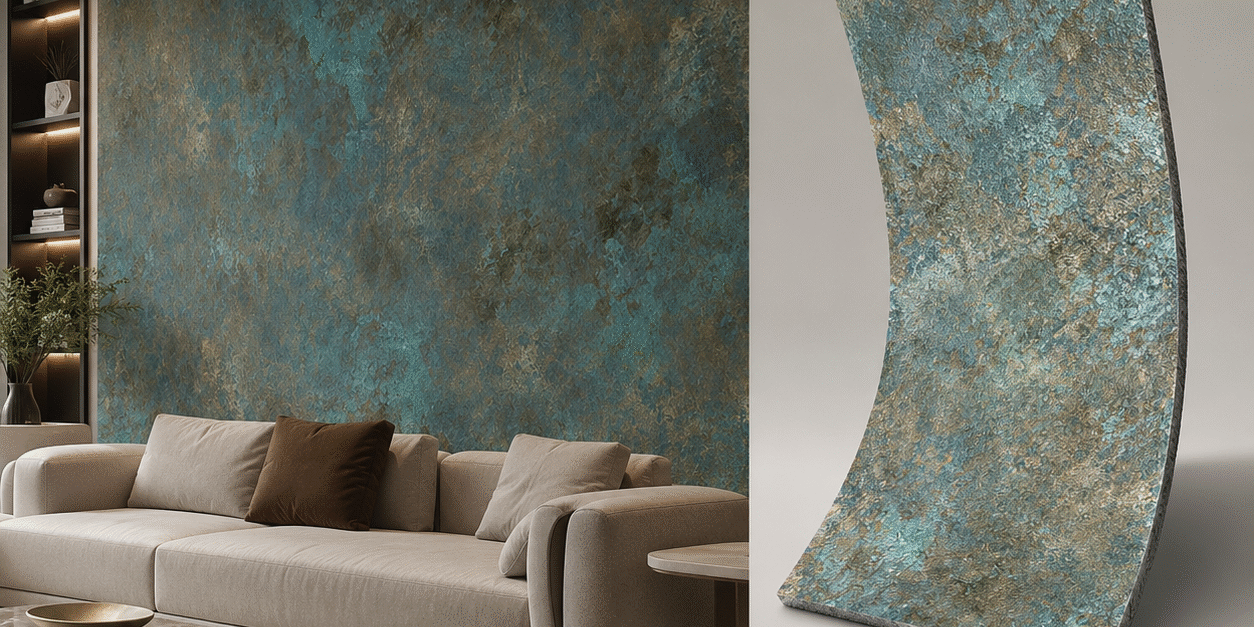
Ideal for feature walls, fireplaces, and accent panels, soft stone adds visual interest and enhances interior aesthetics.
Countertops and Vanities
Soft stone is suitable for low-traffic countertops and bathroom vanities. Sealing is recommended to prevent staining.
Decorative Elements
Soft stone can be carved into custom designs for sculptures, moldings, or landscape features, making it highly versatile for creative projects.
Benefits of Soft Stone
Aesthetic Appeal
Soft stone offers natural patterns, color variations, and textures that cannot be replicated by synthetic materials, providing a unique and luxurious appearance.
Ease of Installation
Due to its lighter weight and workability, soft stone is easier to transport, cut, and install compared to harder stones.
Sustainability
Soft stone has a low carbon footprint and can often be sourced locally, reducing transportation impact.
Thermal Properties
Soft stone maintains natural temperature regulation, keeping interiors cooler in summer and warmer in winter.
Cost Efficiency
Generally more affordable than hard stones like granite and marble, soft stone offers a balance of beauty, performance, and budget.
Design and Aesthetic Options
Soft stone comes in a variety of natural shades and finishes:
- Polished Finish: Smooth, reflective surface for elegant interiors.
- Honed Finish: Matte surface for modern, minimalist designs.
- Tumbled Finish: Slightly textured for rustic or traditional aesthetics.
- Custom Shapes and Carvings: Ideal for bespoke designs and artistic applications.
Designers often combine soft stone with other materials, such as wood or metal, to create visually compelling spaces.
Installation Techniques
Surface Preparation
- Ensure the substrate is clean, level, and structurally sound.
- Apply a moisture barrier when installing in wet areas.
Tools Required
- Wet saw, chisels, measuring tape, adhesive, and grout.
Step-by-Step Installation
- Measure and cut stone to desired dimensions.
- Apply adhesive evenly on the surface.
- Place panels or tiles carefully and adjust spacing.
- Fill gaps with grout and seal surfaces to protect against moisture.
Proper installation ensures long-lasting performance and maintains aesthetic appeal.
Maintenance and Care
- Clean regularly with pH-neutral cleaners to preserve the surface.
- Re-seal soft stone periodically to prevent staining and water absorption.
- Avoid abrasive tools or harsh chemicals to maintain finish.
With proper maintenance, soft stone can retain its natural beauty for decades.
Environmental and Sustainability Benefits
- Naturally sourced with minimal processing energy.
- Local sourcing reduces transportation emissions.
- Recyclable and reusable in landscaping or architectural projects.
Soft stone aligns well with green building standards such as LEED and BREEAM.
Comparison with Hard Stones and Synthetic Materials
| Feature | Soft Stone | Granite/Marble | Engineered Stone |
|---|---|---|---|
| Workability | High | Low | Medium |
| Weight | Light | Heavy | Medium |
| Maintenance | Medium | High | Low |
| Cost | Medium | High | Medium |
| Aesthetic Variety | High | Medium | Medium |
Soft stone provides a practical balance between beauty, ease of use, and affordability.
Cost Analysis and ROI
Soft stone typically costs $50–$120 per square meter depending on type, finish, and thickness. Considering its ease of installation, aesthetic value, and longevity, it represents a cost-effective solution for both residential and commercial projects.
Industry Trends
- Increasing demand in eco-conscious and sustainable architecture.
- Growth in custom and artistic applications, including carved panels and decorative tiles.
- Integration with modern interior designs for minimalistic and natural aesthetics.
Case Studies / Examples
Residential Example
A modern apartment used soft stone for bathroom walls and kitchen countertops, achieving a natural, elegant appearance while simplifying installation.
Commercial Example
A boutique hotel installed soft stone flooring and wall panels, creating a luxurious environment with minimal maintenance.
Frequently Asked Questions (FAQ)
1. What types of soft stone are most common?
Limestone, sandstone, and travertine are the most widely used soft stones.
2. Is soft stone durable enough for flooring?
Yes, with proper sealing and maintenance, it is durable for moderate foot traffic.
3. Can soft stone be used outdoors?
Yes, it is suitable for patios, facades, and landscaping, but sealing is recommended.
4. How do I maintain soft stone surfaces?
Clean with pH-neutral cleaners, avoid abrasive tools, and reseal periodically.
5. Is soft stone eco-friendly?
Yes, soft stone has minimal processing requirements and can often be sourced locally.
6. How does soft stone compare to marble or granite?
Soft stone is easier to install, lighter, and more affordable, though slightly less durable than hard stones.
Conclusion
Soft stone is a versatile, aesthetically pleasing, and sustainable material for modern interior and exterior design. Its ease of installation, natural textures, and range of finishes make it a practical and cost-effective choice for flooring, wall panels, countertops, and decorative elements. By selecting soft stone, homeowners and designers can combine beauty, functionality, and environmental responsibility in their projects.
For more information on sourcing and installing soft stone, visit Soft Stone Design Guide for professional insights.