Meta Description:
Explore the benefits, applications, and installation of outdoor WPC wall panels. Learn how wood-plastic composite panels can enhance durability, aesthetics, and sustainability in exterior spaces.
Introduction to Outdoor WPC Wall Panels
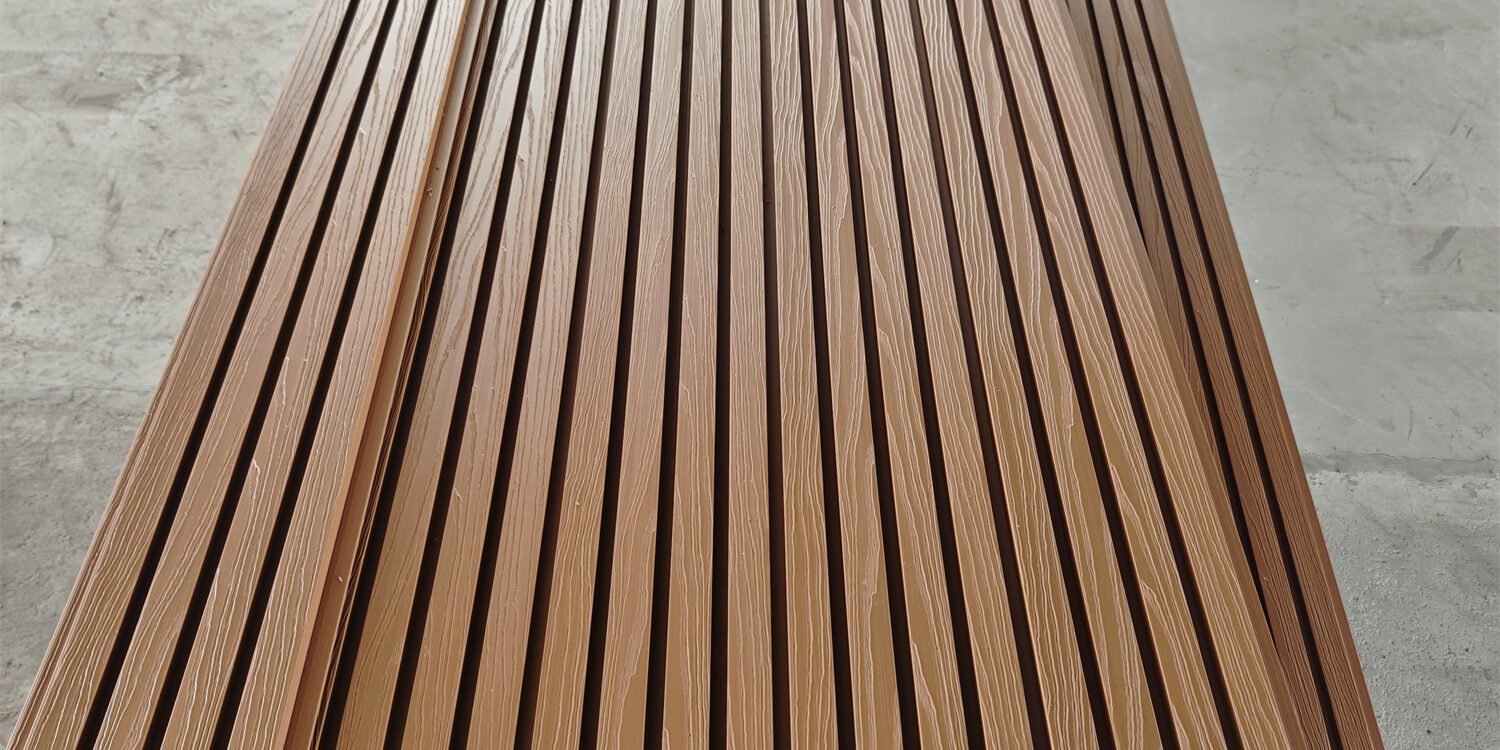
Outdoor WPC (Wood-Plastic Composite) wall panels have become a popular choice in modern architecture due to their durability, low maintenance, and eco-friendly properties. WPC combines natural wood fibers and high-quality plastic to create a material that mimics wood aesthetics while offering superior resistance to weathering, moisture, and pests.
Traditional wood panels often require regular maintenance and are susceptible to rot, insect damage, and warping. Outdoor WPC wall panels overcome these challenges, making them ideal for residential exteriors, commercial facades, gardens, patios, and outdoor recreational areas.
Composition and Manufacturing of WPC Wall Panels
Materials Used
WPC panels are made from:
- Wood Fibers or Sawdust: Provide a natural texture and appearance.
- Thermoplastic Polymers (PVC or HDPE): Ensure moisture resistance, stability, and flexibility.
- Additives: UV stabilizers, fire retardants, and pigments enhance durability, color, and safety.
Manufacturing Process
- Mixing: Wood fibers are combined with plastic and additives.
- Extrusion: The mixture is shaped into panels using high-pressure extrusion machines.
- Finishing: Panels are sanded, embossed, or painted to achieve a wood-like texture or desired finish.
- Quality Testing: Panels are tested for strength, UV resistance, water absorption, and fire performance.
Environmental Considerations
Outdoor WPC panels are often made from recycled materials, contributing to environmental sustainability. They are recyclable and can reduce the demand for natural timber, preserving forests and reducing carbon footprint.
Applications of Outdoor WPC Wall Panels
Residential Exteriors
- Facade Cladding: Provides a modern, durable exterior that requires minimal maintenance.
- Garden Walls and Fences: Enhances outdoor aesthetics while resisting weather and pests.
- Balcony and Patio Panels: Offers decorative solutions that withstand sun, rain, and humidity.
Commercial and Public Spaces
- Hotels and Resorts: Durable and visually appealing, ideal for outdoor walls and decorative features.
- Restaurants and Cafés: Provides a modern outdoor ambiance with low maintenance.
- Parks and Recreational Areas: Weather-resistant panels suitable for signage, walls, and installations.
Benefits of Outdoor WPC Wall Panels
Durability and Weather Resistance
WPC panels resist UV rays, rain, snow, and temperature fluctuations, unlike natural wood which can warp, crack, or fade.
Low Maintenance
They require no painting, sealing, or regular treatment. Cleaning with water and mild soap is sufficient.
Eco-Friendly
Many WPC panels use recycled wood fibers and plastics, reducing the environmental impact compared to traditional timber.
Aesthetic Versatility
Available in various wood-like textures, colors, and finishes, WPC panels can match any architectural style.
Pest and Rot Resistance
Unlike wood, WPC panels are resistant to termites, mold, and rot, ensuring long-term structural integrity.
Design and Aesthetic Options
WPC panels offer a wide range of design possibilities:
- Wood-Grain Texture: Provides a natural, premium look.
- Smooth or Matte Finishes: Fits modern minimalist designs.
- Custom Colors: From earthy tones to contemporary shades.
- Embossed Patterns: Adds depth and visual interest to exterior walls.
These options allow architects and homeowners to combine functionality with style.
Installation Techniques
Surface Preparation
- Ensure the wall is clean, flat, and structurally sound.
- Use a moisture barrier if installing on walls exposed to high humidity.
Tools Required
- Screws, brackets, or adhesive
- Drill, saw, measuring tape, level
Step-by-Step Installation
- Measure and cut panels according to wall dimensions.
- Attach the panels using brackets or screws, maintaining gaps for expansion.
- Ensure alignment and level throughout installation.
- Seal edges if necessary to enhance water resistance.
Proper installation ensures long-term durability and aesthetic appeal.
Maintenance and Care
- Regularly rinse with water to remove dust and debris.
- Avoid harsh chemicals that can damage the surface.
- Inspect for loose panels or screws periodically and secure as needed.
With minimal care, WPC panels can maintain their appearance and structural integrity for decades.
Environmental and Sustainability Benefits
- Made from recycled wood and plastic, reducing landfill waste.
- Long lifespan reduces the need for frequent replacement of traditional wood.
- Contributes to sustainable construction practices and eco-friendly building certifications.
Comparison with Traditional Wood Panels
| Feature | WPC Wall Panels | Natural Wood Panels | Fiber Cement Panels |
|---|---|---|---|
| Durability | High | Medium | High |
| Water Resistance | Excellent | Low | Medium |
| Maintenance | Low | High | Medium |
| Pest Resistance | Excellent | Low | Medium |
| Aesthetic Options | High | Medium | Medium |
WPC panels provide a superior balance of durability, aesthetics, and environmental benefits.
Cost Analysis and ROI
Outdoor WPC wall panels typically range from $40–$90 per square meter depending on thickness, texture, and brand. Despite higher upfront costs compared to natural wood, the reduced maintenance and long lifespan result in significant cost savings over time.
Industry Trends
- Rising popularity in eco-conscious architecture and sustainable urban development.
- Increasing use in mixed-use developments, resorts, and modern residential projects.
- Innovations in colors, embossing, and coatings for higher UV and weather resistance.
Case Studies / Examples
Residential Example
A modern villa installed WPC wall panels for its exterior cladding, achieving a luxurious wood-like finish without the need for annual maintenance.
Commercial Example
A beachfront resort used WPC panels on outdoor walls and terraces, providing aesthetic appeal while resisting saltwater corrosion and humidity.
Frequently Asked Questions (FAQ)
1. Are WPC wall panels waterproof?
Yes, they are highly resistant to water and ideal for outdoor use.
2. How long do WPC panels last?
Typically 20–25 years with minimal maintenance.
3. Can WPC panels be painted?
While available in various colors, additional painting is generally unnecessary. Surface coatings may reduce adhesion.
4. Are WPC panels eco-friendly?
Yes, many panels use recycled wood fibers and plastic, reducing environmental impact.
5. How do WPC panels compare to natural wood?
WPC offers superior water, UV, and pest resistance while maintaining a natural wood appearance.
6. Can I install WPC panels myself?
Yes, installation is straightforward using brackets or screws, but professional installation is recommended for large areas.
Conclusion
Outdoor WPC wall panels are a modern, durable, and eco-friendly solution for exterior spaces. With their resistance to weather, pests, and low maintenance requirements, they provide long-lasting value while enhancing the visual appeal of any property. By choosing WPC panels, homeowners and designers can achieve a natural wood aesthetic without the drawbacks of traditional wood.
For detailed product options and installation guides, visit WPC Wall Panel Resources for professional advice.