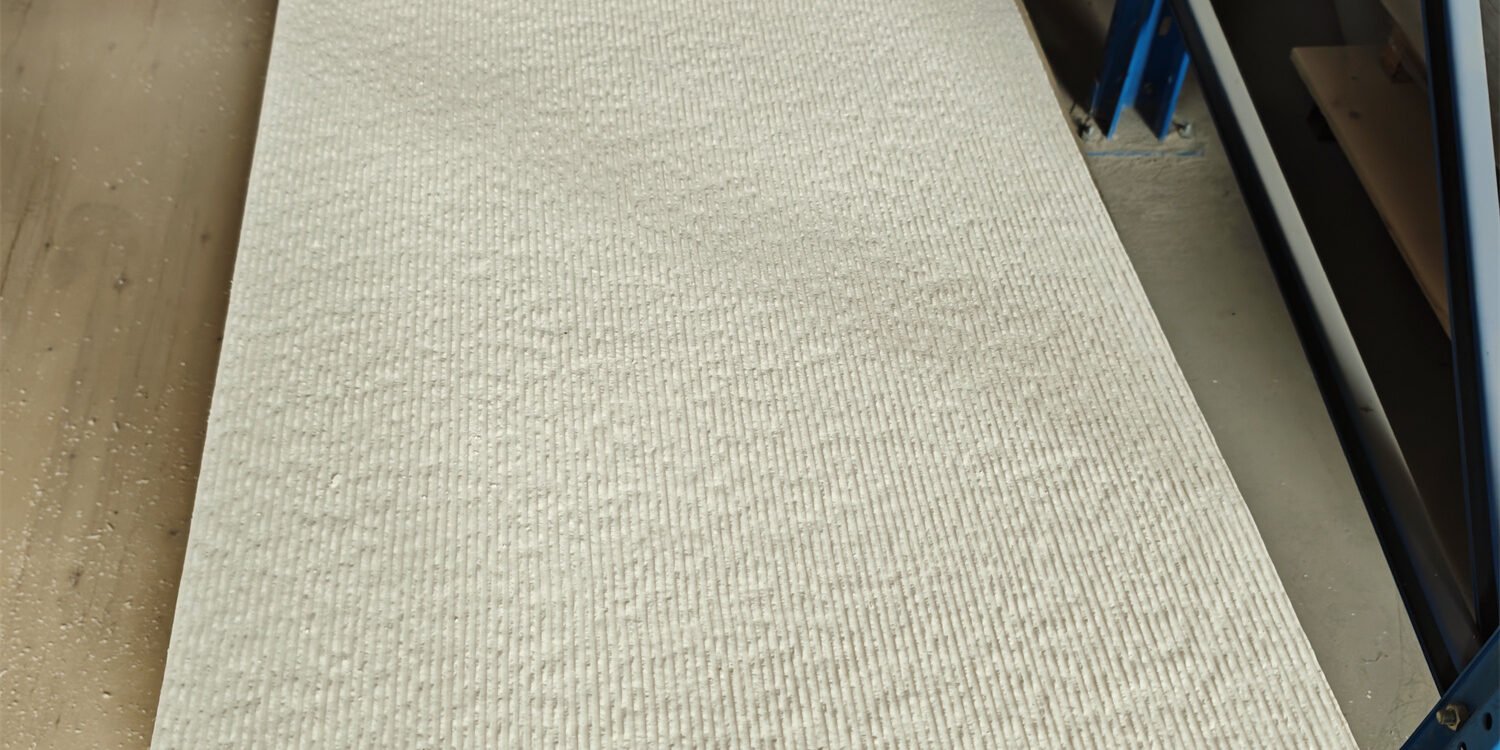
When designers and builders seek the natural elegance of stone veneer without the weight, complexity, and cost of traditional masonry, soft stone panels have become the definitive answer. Also referred to as flexible stone veneer, soft stone wall panels, or modified inorganic stone cladding, this advanced material is rapidly reshaping expectations across residential, commercial, and hospitality sectors.
The global soft stone veneer market was valued at 40.47billionin2025,andforecastsprojectittoreach40.47billionin2025,andforecastsprojectittoreach44.03 billion in 2026—a compelling compound annual growth rate (CAGR) of 8.97%. Within the thin flexible stone veneer segment specifically, the market is expected to grow from 590.27millionin2025to590.27millionin2025to647.55 million in 2026, climbing steadily toward $1.12 billion by 2032. Whether you are an architect specifying materials for a luxury hotel façade, a contractor upgrading a residential interior, or an interior designer crafting a signature feature wall, soft stone panels deliver the visual impact of quarried stone with a fraction of the environmental footprint.
At Green City Decor, we specialize in bringing sustainable, high-performance wall solutions to professionals worldwide. Every panel in our collection is selected to meet rigorous international standards for durability, safety, and aesthetic excellence. Browse our full range of decorative wall materials at Green City Decor.
What Exactly Are Soft Stone Panels?
Soft stone panels are thin, flexible decorative cladding products manufactured from natural mineral powders—typically quartz, modified clay, marble dust, or calcium carbonate—combined with a high-polymer binder (often modified PVC, PE, or acrylic resin) and reinforced with fiberglass mesh. The result is an engineered panel that authentically captures the texture, color, and visual depth of natural stone, yet bends and flexes to accommodate curved walls, columns, and architectural features that would challenge rigid stone or tile.
Unlike conventional stone cladding, which is quarried, cut, and transported as heavy slabs, soft stone is manufactured in a controlled environment. This allows for precise consistency in color and finish across large production batches, while retaining the organic appearance of natural sedimentary layers.
Key Composition Elements:
- Natural mineral powders: 60-70% by weight
- Polymer matrix: 25-35%, providing flexibility and impact resistance
- Functional additives: UV stabilizers, fire retardants, antimicrobial agents
For a comprehensive overview of our material certifications and quality standards, visit our Quality & Certifications page.
6 Key Advantages: Why Professionals Are Switching to Soft Stone
Soft stone panels solve several long-standing pain points that architects and contractors face with natural stone and conventional ceramic tiles.
1. Lightweight Construction That Reduces Structural Load
Traditional stone cladding imposes substantial dead load on a building, often requiring additional structural reinforcement. In contrast, soft stone panels weigh just 3-6 kg per square meter—roughly 70% less than conventional stone. This dramatic weight reduction translates directly into lower engineering costs, fewer structural modifications, and faster project timelines. For retrofit projects and high-rise applications where every kilogram matters, the advantage is transformative.
2. Genuine Flexibility for Curved and Irregular Surfaces
The polymer-modified composition gives soft stone panels a degree of bendability impossible with rigid materials. Panels can be cut on-site with simple tools—even scissors at the edges—and shaped around curved columns, archways, or undulating feature walls without cracking or spalling. This flexibility also simplifies logistics: panels can be rolled or stacked compactly, reducing shipping volume and freight costs.
3. Fire Safety: A-Grade Incombustibility
Premium soft stone products meet A-grade (A2) fire-resistance standards, meaning they are classified as non-combustible materials suitable for high-rise commercial and public buildings. In an era of tightening fire codes globally—particularly across Europe, the Middle East, and Southeast Asia—this certification provides essential peace of mind for specifiers, building owners, and regulatory authorities.
4. Weather Resistance Engineered for Extreme Environments
Manufacturers now formulate soft stone panels with enhanced UV stabilizers, acid-alkali resistance agents, and anti-aging compounds. Laboratory testing confirms resistance to artificial weathering for ≥2,000 hours (equivalent to decades of outdoor exposure) under China’s updated national standard. Some formulations demonstrate resistance exceeding 3,800 hours—the equivalent of approximately 80 years of service life. This makes soft stone panels suitable for both indoor feature walls and exterior façades, from tropical humidity to arid UV-intensive climates.
5. Eco-Friendly Credentials: Low Carbon, Recyclable, Non-Toxic
Sustainability is embedded throughout the soft stone lifecycle. The raw materials—mineral powders are abundant and non-toxic, requiring no quarrying of virgin dimension stone. Many formulations carry zero formaldehyde and zero VOC emissions, achieving international green building credits under LEED, BREEAM, and other rating systems. At end-of-life, the panels can be recovered and repurposed, aligning with circular economy principles that increasingly influence procurement decisions.
6. Cost-Effectiveness Across the Project Lifecycle
When evaluated on a total-cost basis—including material acquisition, transportation, structural support requirements, and labor—soft stone consistently outperforms traditional stone cladding. Material costs for soft stone products average approximately 10−10−15 per square foot, compared to 20−20−40 per square foot for quarried stone. Beyond raw material savings, the ease of cutting and installation significantly reduces skilled labor hours and minimizes jobsite waste.
Soft Stone vs. Traditional Stone Cladding
The decision between soft stone and traditional stone ultimately depends on project priorities, but the following comparison illustrates why soft stone increasingly prevails in modern specifications.
| Feature | Traditional Stone | Soft Stone Panels |
|---|---|---|
| Weight per m² | 40-60 kg | 3-6 kg |
| Flexibility | Rigid, prone to cracking | Highly flexible, bendable |
| Installation Speed | Slow, specialized labor required | Fast, standard tools sufficient |
| Structural Requirements | High load-bearing capacity needed | Minimal additional support |
| Material Cost Range | 20−20−40/sq ft | 10−10−15/sq ft |
| On-Site Waste | Moderate to high | Very low |
| Suitability for Curves | Poor | Excellent |
For a deeper dive into material selection for large-scale projects, our Project Specifications Guide provides detailed performance data and case studies.
Applications Across Sectors
The versatility of soft stone panels positions them as a solution for virtually any vertical surface that would benefit from natural stone aesthetics:
Commercial & Hospitality:
Hotel lobbies, restaurant feature walls, retail storefronts, office reception areas, spa and wellness center wet zones—soft stone panels bring organic texture and warmth to guest-facing spaces while meeting the stringent fire-safety and durability requirements of commercial code.
Residential Interiors:
Living room accent walls, bedroom headboard features, bathroom cladding, kitchen backsplashes, and corridor paneling. The antimicrobial and easy-clean properties make soft stone particularly practical for family homes.
Exterior Façades & Public Buildings:
Schools, hospitals, museums, sports venues, and transportation hubs benefit from the lightweight, non-combustible, and weather-resistant characteristics of soft stone. For renovation projects where existing structures cannot support heavy stone, soft stone becomes the enabling material.
Wet & Humid Environments:
SPA facilities, swimming pool surrounds, and outdoor shower enclosures where traditional materials may degrade or become slippery over time. Soft stone’s water-resistant formulation and textured surface ensure both safety and longevity.
For advice on selecting the optimal panel thickness for each application, reach out through our Technical Support page.
Installation Best Practices
Proper installation amplifies the performance and lifespan of soft stone panels. While the process is more straightforward than traditional stone masonry, adherence to a few critical principles yields the best results:
- Surface Preparation: The substrate must be clean, dry, flat, and free of loose particles. For uneven surfaces, apply a suitable leveling compound before installation.
- Adhesive Selection: Use a high-quality polymer-modified adhesive or a manufacturer-recommended bonding agent. The lightweight nature of the panels allows standard adhesives to achieve a secure bond.
- Panel Cutting: Panels can be cut using utility knives, tin snips, or standard saws. Because of the material’s flexibility, complex shapes can be achieved with far less effort than with rigid stone.
- Joint Treatment: Depending on the desired aesthetic, panels can be installed with tight butt joints or with a slight gap for grout, which can be colored to match or contrast.
- Finishing & Sealing: For exterior applications, apply a compatible sealant to the panel edges and any cut surfaces to maintain weather resistance integrity.
For detailed installation guides and technical data sheets, visit our Resources & Downloads page.
Quality Standards and Certifications: What to Look For
As the soft stone market expands, product quality varies significantly. Reputable suppliers distinguish themselves through recognized certifications:
- CE Marking (EN 15102:2007): Required for wall cladding products in the European Economic Area, confirming compliance with health, safety, and environmental protection standards.
- ISO 14001 (Environmental Management): Demonstrates a systematic approach to reducing environmental impact throughout manufacturing.
- A-Grade Fire Certification (A2-s1,d0): Classifies the material as non-combustible with minimal smoke production—essential for high-rise and public building applications.
- Green Building Product Certification: Aligns with the unified national framework for green building materials, confirming compliance with low-VOC, low-formaldehyde, and controlled radioactive nuclide limits.
- GB/T 44178-2024 (China Green Product Evaluation—Stone): A national standard that sets stringent criteria across resource, energy, environmental, and quality attributes for stone products.
At Green City Decor, we maintain full traceability on every product line, with certifications available for client review. Learn more on our Certifications page.
Leading Applications and Design Trends for 2026
Several design trends are accelerating soft stone adoption across global markets:
- Biophilic Design Integration: Architects increasingly specify nature-derived textures—stone, wood, rammed earth—for interior environments, driven by research demonstrating the well-being benefits of natural materials. Soft stone’s authentic layering and organic surface patterns align perfectly with this movement.
- Seamless Indoor-Outdoor Transitions: As residential and hospitality designs blur the boundary between interior and exterior spaces, specifiers need materials that perform equally well in both environments. Soft stone panels, with their weather resistance and consistent aesthetic, connect living rooms to terraces and lobbies to courtyards without visible material transitions.
- Warm Neutrals and Textured Minimalism: For 2026, the color palette in architectural surfaces is shifting from stark whites and cool grays toward clay-inspired tones—terracotta, sand, warm limestone. Soft stone products match this chromatic direction while introducing depth and shadow effects that flat tiles cannot replicate.
- Large-Format Panels with Minimal Joints: The market increasingly favors larger panel formats (600×1200 mm and beyond) to minimize visible joint lines and create uninterrupted surface expanses. Soft stone’s lightweight nature makes large panels manageable during installation, unlike heavy stone slabs that require mechanical lifting equipment.
- Low-Maintenance Commercial Solutions: Facility managers value materials that do not require regular sealing, special cleaning agents, or frequent repairs. Soft stone’s durable surface and resistance to stains, chemicals, and microbial growth meet the operational demands of high-traffic environments.
Why Partner with Green City Decor for Your Soft Stone Needs
Green City Decor is not only a supplier of innovative decorative materials—we are a collaborative partner committed to your project’s success from concept to completion.
Product Range:
We offer a comprehensive selection of soft stone panels in multiple textures—including travertine, sandstone, slate, limestone, and unique 3D wave patterns—across a spectrum of colors from warm earth tones to contemporary greys. Custom sizes, thicknesses, and colors are available for large-scale projects.
Quality Assurance:
Every batch undergoes rigorous quality control inspections, including adhesion testing, weathering simulation, fire-performance verification, and dimensional accuracy checks. Documentation is provided for client review, and full traceability is maintained from raw material sourcing through final packaging.
Global Logistics:
We coordinate export documentation, customs clearance, and freight forwarding to ensure timely delivery to project sites worldwide. Our logistics team provides shipment tracking and proactive communication throughout the shipping timeline.
Technical Support:
From specification assistance and sample provision to installation guidance and after-sales service, our technical team supports your project at every stage. We welcome inquiries from architects, designers, contractors, and procurement professionals.
Request product samples, pricing, or a project consultation through our Contact Page.
Frequently Asked Questions
1. What is the difference between soft stone and flexible stone tile?
The terms are often used interchangeably. “Soft stone” typically refers to larger-format wall panels, while “flexible stone tile” may refer to smaller-format products. Both share the same core composition of mineral powder and polymer binder, offering similar lightweight and flexible characteristics.
2. Can soft stone panels be used outdoors in all climates?
Yes, when specified correctly. Premium soft stone products with UV-stabilized formulations and appropriate sealants perform reliably in climates ranging from tropical humidity to arid heat. For extreme freeze-thaw regions, consult our technical team for product recommendations.
3. How long do soft stone panels last?
Manufacturers report service lives of 25-50 years under normal conditions, with laboratory weathering tests confirming resistance to 2,000-3,800 hours of accelerated aging—equivalent to decades of outdoor exposure.
4. Are soft stone panels environmentally friendly?
Yes. The primary raw materials are abundant natural minerals, production typically avoids high-temperature kiln firing (reducing embodied carbon), and the finished panels contain no added formaldehyde or VOCs. Many formulations are recyclable and contribute to green building certifications such as LEED and BREEAM.
5. What certifications should I look for when sourcing soft stone?
At minimum, verify CE marking, ISO 14001 environmental management certification, and A-grade fire test reports. Additional credentials such as Green Building Product Certification and compliance with GB/T 44178-2024 indicate a higher tier of product quality and environmental responsibility.
6. How is soft stone installed?
Panels are adhered to a prepared substrate using polymer-modified adhesive, then cut and trimmed as needed with standard tools. Joint treatment and, for exterior applications, edge sealing complete the installation. Detailed guides are available through our technical support team.
7. Can soft stone be used in wet areas like showers or pool surrounds?
Yes. The material’s water-resistant formulation and antimicrobial properties make it suitable for wet zones. However, proper sealing and installation practices should be followed to ensure long-term performance.
8. What sizes are available?
Standard panel sizes include 600×1200 mm, with custom dimensions available upon request. Thicknesses typically range from 2 mm to 6 mm, depending on the product line and application requirements.
9. How does soft stone compare in cost to natural stone?
Soft stone generally costs 10−10−15 per square foot for material, compared to 20−20−40 for natural quarried stone—a 50-60% reduction. When factoring in structural support savings and faster installation, the total-project cost advantage widens further.
10. Do you offer samples?
Yes. We encourage clients to request physical samples to evaluate color, texture, and quality before placing production orders. Visit our Contact Page to request samples or speak with a product specialist.